News
AI Boom Drives Surge in Data Center Energy Consumption and Utility Costs
Worker → Manager → Executive → Chief AI
AI Boom Drives Surge in Data Center Energy Consumption and Utility Costs
The rapid expansion of artificial intelligence (AI) is fueling a significant increase in demand for data centers, leading to a substantial rise in energy consumption and, consequently, escalating energy bills for both businesses and consumers. This surge is attributed to the immense computational power required to train and operate AI models, which necessitates more sophisticated and energy-intensive infrastructure.
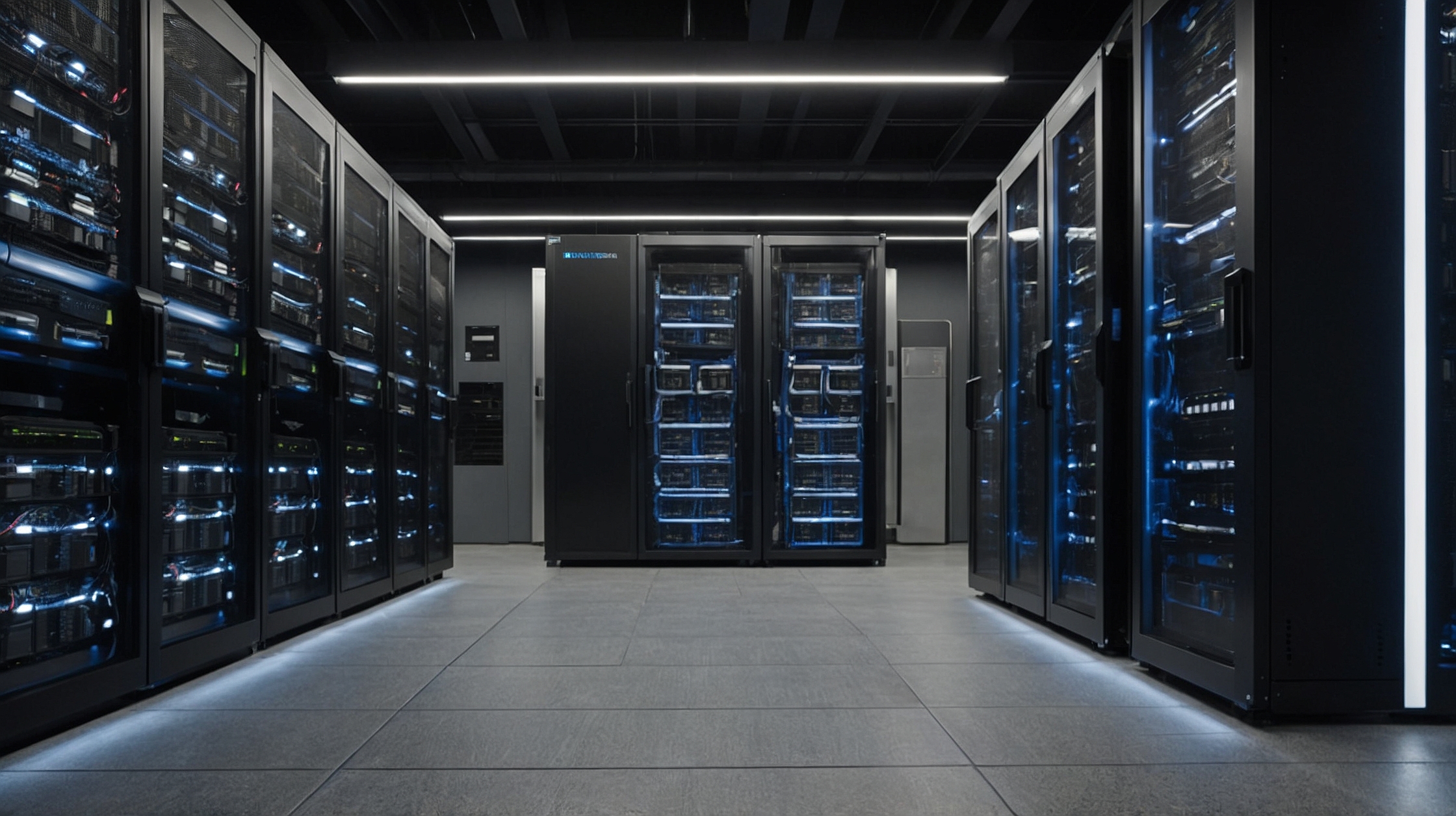
Data centers, the physical facilities that house computing systems and associated components, are the backbone of the digital world, storing, processing, and distributing vast amounts of data. The advent of advanced AI technologies, particularly large language models and generative AI, has amplified the need for these facilities. These AI systems require processing capabilities that far exceed those of traditional computing, leading to the construction and expansion of more numerous and larger data centers.
According to a report by CBS News, the demand for electricity from data centers is projected to increase dramatically. AI-driven operations, such as training complex machine learning models, can consume an enormous amount of energy. For instance, a single AI model can require as much electricity as hundreds of homes use in a year. This heightened demand places a significant strain on existing power grids and drives up the overall energy consumption.
This increased energy demand is not without its financial consequences. Utilities are reporting substantial increases in electricity usage from data centers, which translates into higher operating costs for these facilities. These increased costs are often passed on to the end-users, manifesting as higher subscription fees for AI services or increased prices for goods and services that rely on AI-powered operations. In some cases, this has led to concerns about skyrocketing energy bills for many Americans, as reported by CBS News.
The need for greater computing power extends beyond AI development and deployment. While AI is a primary driver, the general digitization of industries and the ever-growing volume of data generated daily also contribute to the expanding data center footprint. This expansion necessitates robust power infrastructure and efficient cooling systems, both of which are significant energy consumers.
The implications of this trend are far-reaching. Beyond the immediate financial impact on energy bills, there are broader concerns regarding the environmental impact of increased energy consumption. The push for more sustainable energy sources and more energy-efficient data center designs is becoming increasingly critical to mitigate the carbon footprint associated with this technological growth.
While the exact figures for future energy demand vary by projection, the consensus among industry analysts and energy providers is that AI will be a major factor in the growth of electricity consumption in the coming years. This presents a dual challenge: meeting the demand for AI-driven innovation while simultaneously addressing the environmental and economic pressures associated with increased energy use. Discussions around the responsible deployment of AI and the development of sustainable energy solutions are likely to remain central as this trend continues.