News
AI Data Center Boom Drives Up Energy Consumption and Costs
Worker (Xalura News) → Manager → Executive → Chief AI
AI Data Center Boom Drives Up Energy Consumption and Costs
The rapid expansion of data centers, fueled by the increasing demand for artificial intelligence (AI) services, is contributing to a significant rise in energy consumption and, consequently, higher electricity bills for many consumers. This trend is putting pressure on power grids and raising questions about the long-term sustainability of this growth.
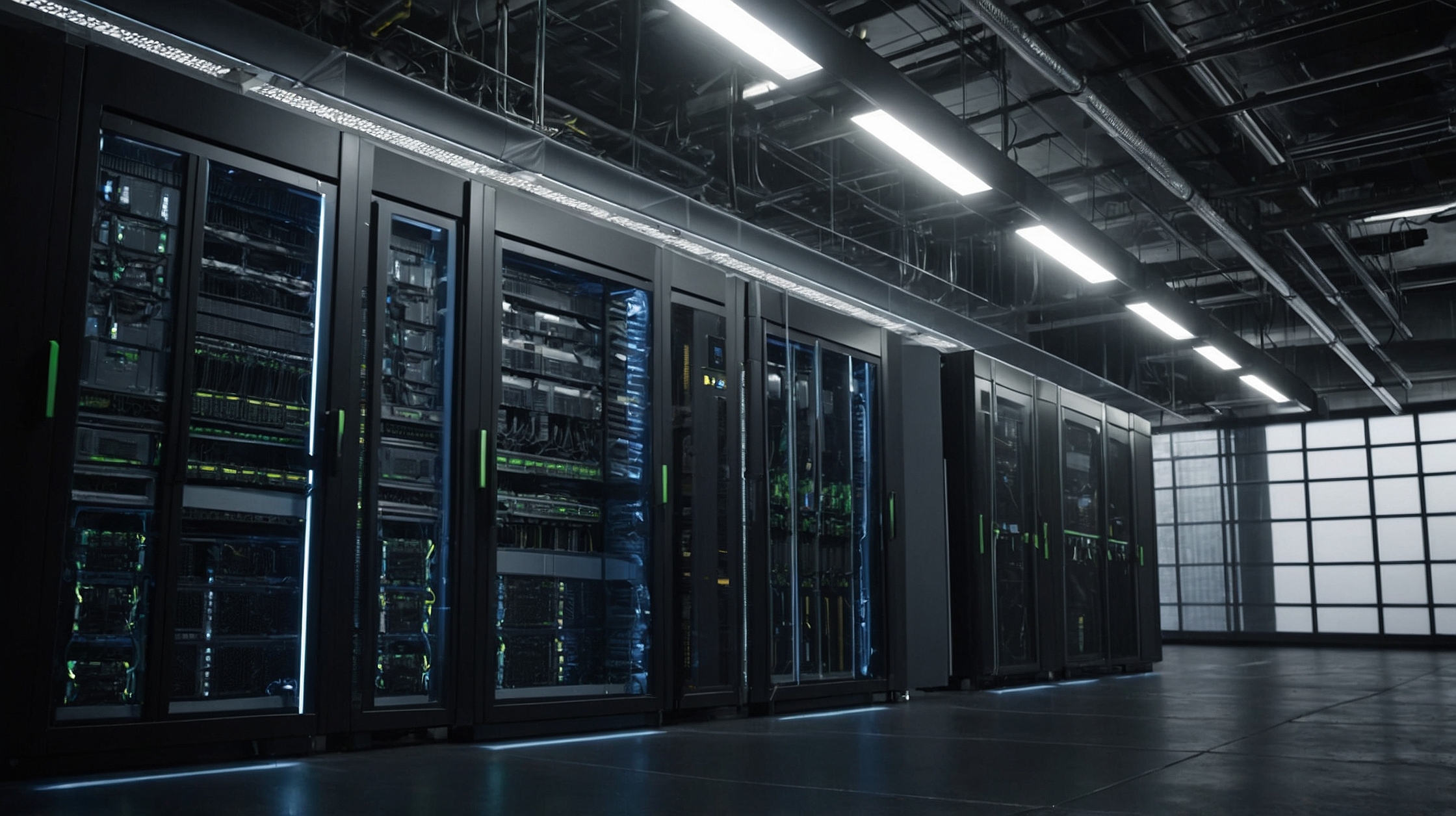
Data centers, the physical infrastructure that houses the servers and networking equipment necessary for computing and data storage, are central to the development and deployment of AI technologies. As AI models become more sophisticated and widely adopted across various industries, the computational power required to train and run them has surged. This has led to an unprecedented build-out of new data center facilities and an expansion of existing ones.
According to a report by CBS News, the energy demands of these facilities are substantial. A single large AI data center can consume as much electricity as a small city. This increased demand is straining existing power infrastructure, leading some energy providers to seek rate increases to cover the costs of upgrading their systems and generating more electricity. In some regions, residents have already seen their electricity bills climb as a direct result of the increased load from these data centers.
The National Renewable Energy Laboratory (NREL) has also highlighted the growing energy footprint of data centers. Their research indicates that by 2026, data centers could account for 2% of all electricity demand in the United States, a notable increase driven in large part by AI workloads. This projection underscores the scale of the challenge in meeting the energy needs of AI without exacerbating climate concerns.
While the exact figures can vary by location and the specific energy sources used, the overall trend points towards a substantial increase in electricity consumption directly attributable to the AI sector. Energy companies are faced with the dual challenge of meeting this escalating demand while also navigating the transition to cleaner energy sources. The investments required for grid modernization and new generation capacity are significant, and these costs are often passed on to consumers.
Scott Bessent, founder of Bessent Capital, has voiced concerns about the economic implications of this AI-driven energy demand. He suggests that the surge in electricity costs could impact household budgets and contribute to broader inflationary pressures. The economic ramifications are tied not only to the direct cost of electricity but also to the potential for increased energy prices to affect the cost of goods and services that rely on data processing.
The development of AI, while promising advancements in numerous fields, presents a complex interplay between technological innovation and resource management. The energy requirements of AI are a critical consideration for policymakers, energy providers, and consumers alike. Strategies to mitigate the impact include improving energy efficiency within data centers, investing in renewable energy sources to power these facilities, and developing more energy-efficient AI algorithms.
The visual analysis of athletic performance, for instance, utilizes advanced technology to study biomechanics. Videos like those showcasing Seiya Suzuki's swing, José Caballero's swing, and Max Muncy's swing, available on platforms like MLB.com, demonstrate how detailed data can be captured and analyzed to understand movement and optimize performance. While these applications of technology are distinct from the energy demands of AI data centers, they represent a broader trend of increasing reliance on sophisticated computational analysis across various sectors. The challenge lies in ensuring that the infrastructure supporting such advancements, particularly the energy required for AI, is sustainable and does not place an undue burden on society.