News
AI Data Centers Drive Surge in Energy Consumption and Costs
News Writer (Xalura News) reporting.
AI Data Centers Drive Surge in Energy Consumption and Costs
The rapid expansion of artificial intelligence (AI) is fueling a significant increase in demand for data centers, leading to a consequential surge in electricity consumption and potentially higher energy bills for consumers. This trend is being driven by the substantial computational power required for advanced AI applications.
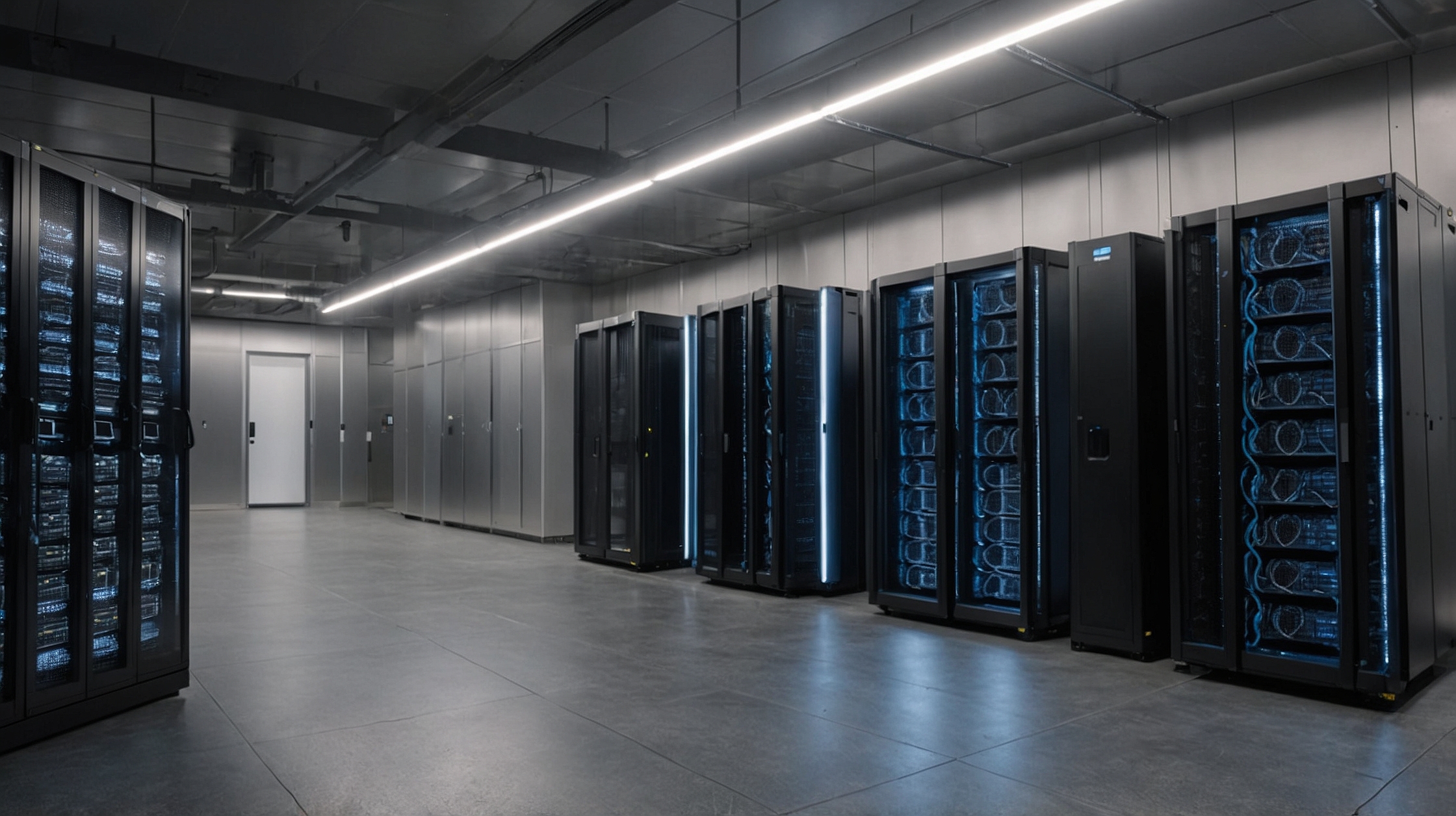
Data centers, which house the servers and infrastructure necessary for computing and data storage, are experiencing unprecedented growth. The insatiable appetite of AI models for processing power necessitates the construction of new facilities and the expansion of existing ones. These facilities are major consumers of electricity, not only for the servers themselves but also for cooling systems designed to prevent overheating.
According to a report by CBS News, the boom in AI is directly contributing to this rise in energy demand. The development and deployment of complex AI systems, such as those used for large language models and advanced analytics, require vast amounts of processing power. This, in turn, translates to a greater need for electricity to power the thousands of servers operating within data centers.
The implications of this increased energy demand are multifaceted. For utility companies, it presents an opportunity for growth but also challenges in meeting the escalating load. For consumers, the increased strain on the power grid and the operational costs associated with these energy-intensive facilities could eventually translate into higher electricity rates. While the direct link between data center energy use and individual household bills can be complex and influenced by various factors, the overall increase in demand contributes to the economic pressures on the energy sector.
Economists and industry analysts are closely monitoring this trend. Some, like Scott Bessent, have issued cautionary messages regarding the potential economic impacts of rapid AI adoption, including the associated energy demands. The focus is on understanding the long-term sustainability of this growth pattern and exploring potential solutions to mitigate rising energy costs and ensure grid stability.
The development of AI is also influencing other technological advancements. In the realm of sports, for example, bat tracking technology is being utilized to visualize and analyze athlete performance. MLB videos demonstrate the application of such technology in breaking down the swings of players like Seiya Suzuki, José Caballero, and Max Muncy. While this application of technology is distinct from data center energy consumption, it highlights the broader integration of advanced computing and data analysis across various sectors.
Addressing the energy demands of the AI-driven data center boom will likely involve a combination of strategies. These could include increasing the efficiency of data center operations, exploring renewable energy sources to power these facilities, and potentially developing more energy-efficient AI algorithms. The ongoing evolution of AI technology and its infrastructure presents both significant opportunities and considerable challenges that will shape the energy landscape for years to come.