News
Alibaba Integrates Voice AI into Chinese Vehicles, Signalling Shift in Automotive Tech
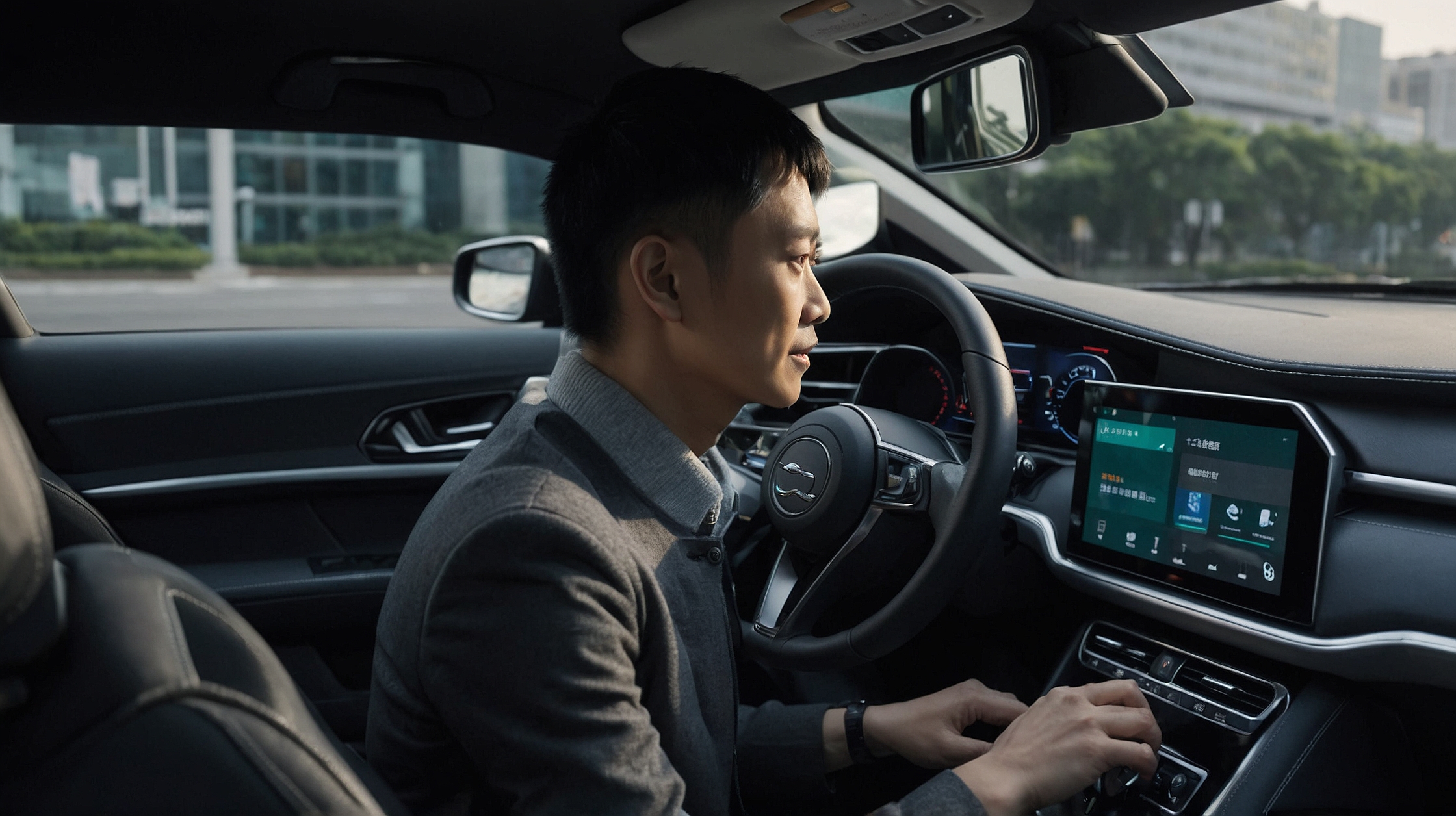
Alibaba Integrates Voice AI into Chinese Vehicles, Signalling Shift in Automotive Tech
TL;DR
- Alibaba has begun embedding its proprietary voice AI technology into vehicles manufactured in China, aiming to enhance the in-car user experience.
- This move signifies a growing trend of integrating advanced AI into automotive systems, moving beyond basic infotainment to more interactive and personalized functions.
- Consumers in the Chinese market can expect more sophisticated voice command capabilities and potentially new AI-driven services within their vehicles.
What happened
Alibaba, the Chinese technology conglomerate, has started integrating its advanced voice artificial intelligence (AI) capabilities directly into automobiles produced within China. This development, reported by PYMNTS, signals a significant step in leveraging AI for enhanced in-car experiences. The integration focuses on enabling more natural and comprehensive voice interactions within the vehicle's systems. While specific vehicle models and manufacturers were not detailed in the initial report, the broad rollout suggests a strategic push by Alibaba to become a key player in the automotive AI sector in China. The company's aim is to offer drivers and passengers a more intuitive and personalized way to control vehicle functions, access information, and engage with digital services through voice commands.
Why this matters
The embedding of sophisticated voice AI into vehicles is a clear indicator of the accelerating convergence between the automotive industry and advanced artificial intelligence. This trend is moving beyond simple voice assistants that can play music or make calls, towards AI systems that can understand complex commands, learn user preferences, and offer proactive assistance. For the Chinese automotive market, this means a potential leap forward in user experience, making vehicles more intuitive and connected. It also reflects a broader global push by tech giants to find new application areas for their AI expertise, with the automotive sector emerging as a prime candidate due to the increasing complexity and digitalization of modern cars. This integration could also pave the way for new AI-driven services and features in future vehicle generations, potentially impacting everything from navigation and entertainment to vehicle diagnostics and personalized comfort settings.
Expert insight
The automotive industry has been steadily embracing AI, but the depth of integration reported by Alibaba suggests a move towards AI as a core component of the vehicle's operating system, rather than an add-on feature. This approach aligns with the broader development of "smart vehicles" that are designed to be as connected and intelligent as our smartphones. As AI models become more sophisticated, capable of understanding context and nuance, the potential for seamless human-machine interaction within a car significantly increases. Experts suggest that this type of deep integration could lead to a more personalized driving experience, where the vehicle learns individual habits and preferences over time, offering tailored suggestions and controls. Furthermore, the development of robust AI systems for vehicles is crucial for the advancement of autonomous driving technologies, which rely heavily on AI for perception, decision-making, and control.
Practical takeaways
Consumers looking for the latest in-car technology should pay attention to new vehicle models emerging from Chinese manufacturers, particularly those that highlight advanced voice command and AI integration. The capabilities introduced by Alibaba could set new benchmarks for user interaction within vehicles, potentially influencing competitors to enhance their own AI offerings. As AI becomes more prevalent in automotive design, it's also worth considering how these systems will be updated and maintained over the lifespan of a vehicle. The underlying AI technology will likely evolve, and manufacturers will need to provide ongoing support and updates to ensure continued functionality and security.
FAQ
Q1: What kind of voice commands will Alibaba's AI support in cars? A1: While specific details are still emerging, the integration suggests capabilities beyond basic commands, aiming for natural language understanding to control vehicle functions, access information, and manage digital services.
Q2: Which car manufacturers are using Alibaba's voice AI? A2: The initial report by PYMNTS did not specify individual manufacturers but indicated a broad rollout within the Chinese automotive market.
Q3: How will this AI integration affect vehicle safety? A3: Enhanced voice control can reduce the need for drivers to physically interact with controls, potentially improving safety by allowing them to keep their eyes on the road. However, the effectiveness and reliability of the AI are key factors.
Q4: Will this technology be available outside of China? A4: At this time, the focus appears to be on the Chinese market. Whether Alibaba expands this offering globally will depend on market reception and strategic decisions.