News
Bexar County Sheriff's Office to Implement AI Translation on Body Cameras
Bexar County Sheriff's Office to Implement AI Translation on Body Cameras
TL;DR
- The Bexar County Sheriff's Office (BCSO) is adopting AI-powered language translation technology for its body-worn cameras.
- This initiative aims to improve communication with individuals who speak different languages during interactions with law enforcement.
- The technology could enhance accuracy and efficiency in documentation and evidence gathering.
What happened
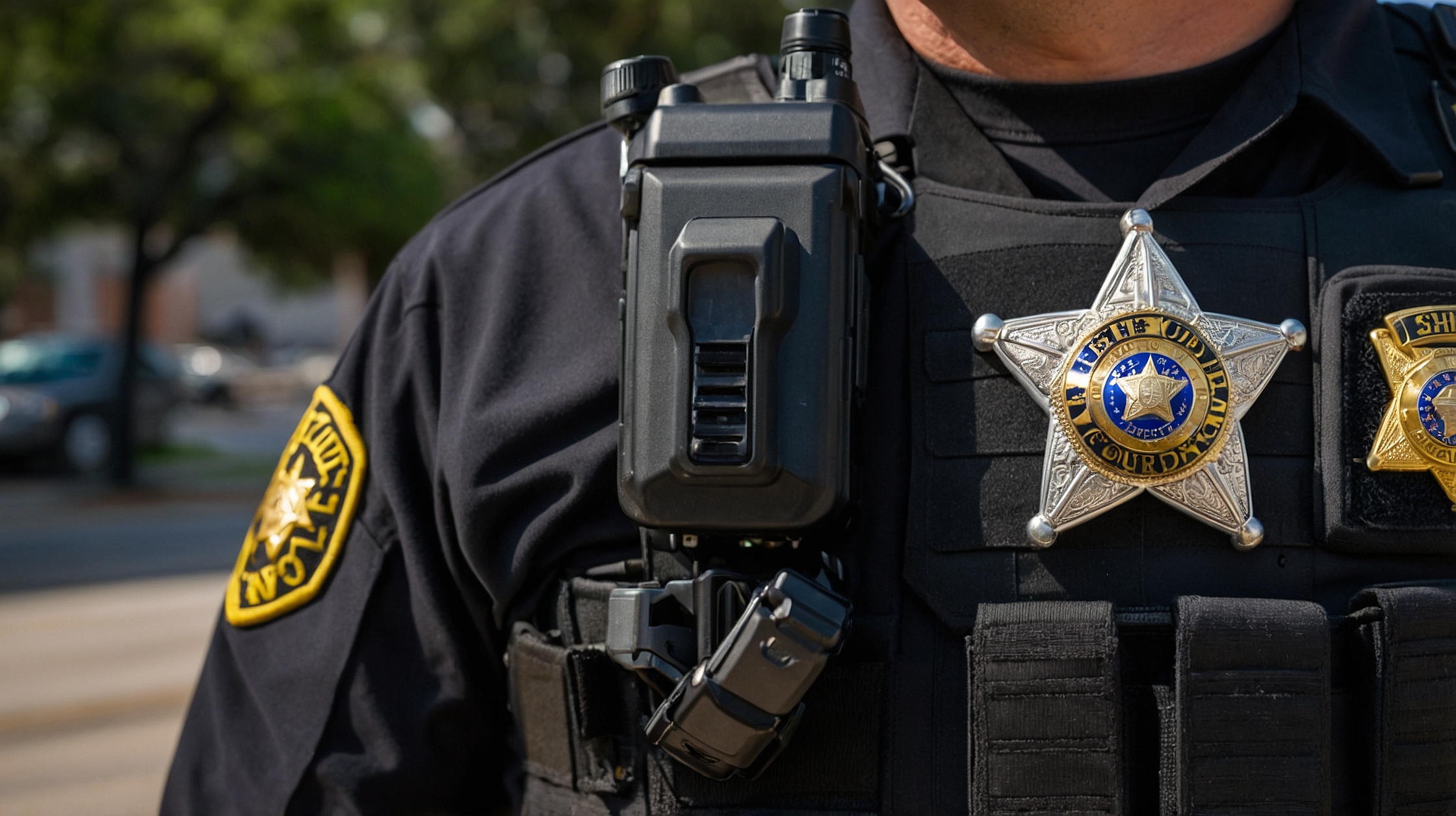
The Bexar County Sheriff's Office (BCSO) has announced plans to integrate artificial intelligence (AI) language translation capabilities into its body-worn cameras. This new technology will enable deputies to translate spoken language in real-time or near real-time during their interactions. The move is intended to bridge communication gaps and ensure more accurate record-keeping when dealing with individuals who do not speak English.
According to reports, the AI translation will be applied to the footage captured by the body cameras. This could potentially assist deputies in understanding and documenting conversations with individuals who speak a variety of languages, improving the clarity and completeness of incident reports and evidence. The exact rollout timeline and specific AI providers were not detailed in the initial reports, but the announcement signals a significant step towards leveraging advanced technology in law enforcement communication.
Why this matters
The implementation of AI language translation on body-worn cameras by the BCSO reflects a growing trend in law enforcement agencies to adopt advanced technologies for improved operational efficiency and community relations. Language barriers can be a significant challenge in law enforcement, potentially leading to misunderstandings, delayed responses, and inaccuracies in reports.
By deploying AI translation, the BCSO aims to overcome these obstacles. This could lead to more equitable interactions, ensuring that all individuals, regardless of their language, can be understood and their statements accurately recorded. Furthermore, the technology has the potential to streamline the review of body camera footage, making it easier to access and translate crucial dialogue for investigations and legal proceedings. This development aligns with broader discussions about how AI can be used to enhance public services and improve the effectiveness of governmental operations.
Expert insight
The integration of AI-powered translation tools into law enforcement body cameras is a notable advancement in the field of public safety technology. Experts in AI and criminal justice suggest that such tools, when implemented thoughtfully, can offer substantial benefits. For instance, the ability to quickly translate conversations captured on body cameras can significantly expedite the investigative process, reduce the reliance on human translators for every interaction, and potentially improve the accuracy of transcribed statements.
However, the effectiveness and ethical implications of such technology are subjects of ongoing discussion. Challenges include ensuring the accuracy of AI translations across a wide range of dialects and accents, as well as maintaining data privacy and security. As this technology evolves, its impact on due process, the admissibility of translated evidence, and the overall relationship between law enforcement and diverse communities will be crucial areas to monitor. The BCSO's adoption of this technology will likely serve as a case study for other agencies considering similar implementations.
Practical takeaways
For residents of Bexar County and individuals who interact with the Bexar County Sheriff's Office:
- Improved Communication: Expect that deputies may be better equipped to understand and communicate with you if you speak a language other than English during law enforcement interactions.
- Enhanced Accuracy: The use of AI translation could lead to more accurate documentation of your statements and the events captured by body-worn cameras.
- Future Developments: Keep an eye on official announcements from the Bexar County Sheriff's Office for more details on the rollout and specifics of the AI translation system.
FAQ
Q: Will AI translation be available for all languages?
A: While the specific languages supported will depend on the AI system implemented, the goal of such technology is typically to cover a wide range of commonly spoken languages. Further details are expected from the BCSO.
Q: How accurate is AI language translation?
A: AI translation technology has made significant advancements, but its accuracy can vary based on factors like accent, dialect, background noise, and the complexity of the language used. It is a tool to assist, and human review will likely remain important for critical communications.
Q: Will these translations be used as evidence in court?
A: The admissibility of AI-translated content as evidence in court will depend on legal precedents, the specific technology used, and its demonstrated reliability and accuracy in legal settings. This is an evolving area of law.