News
San Francisco's AI Boom: A Tale of Innovation and Economic Disconnect
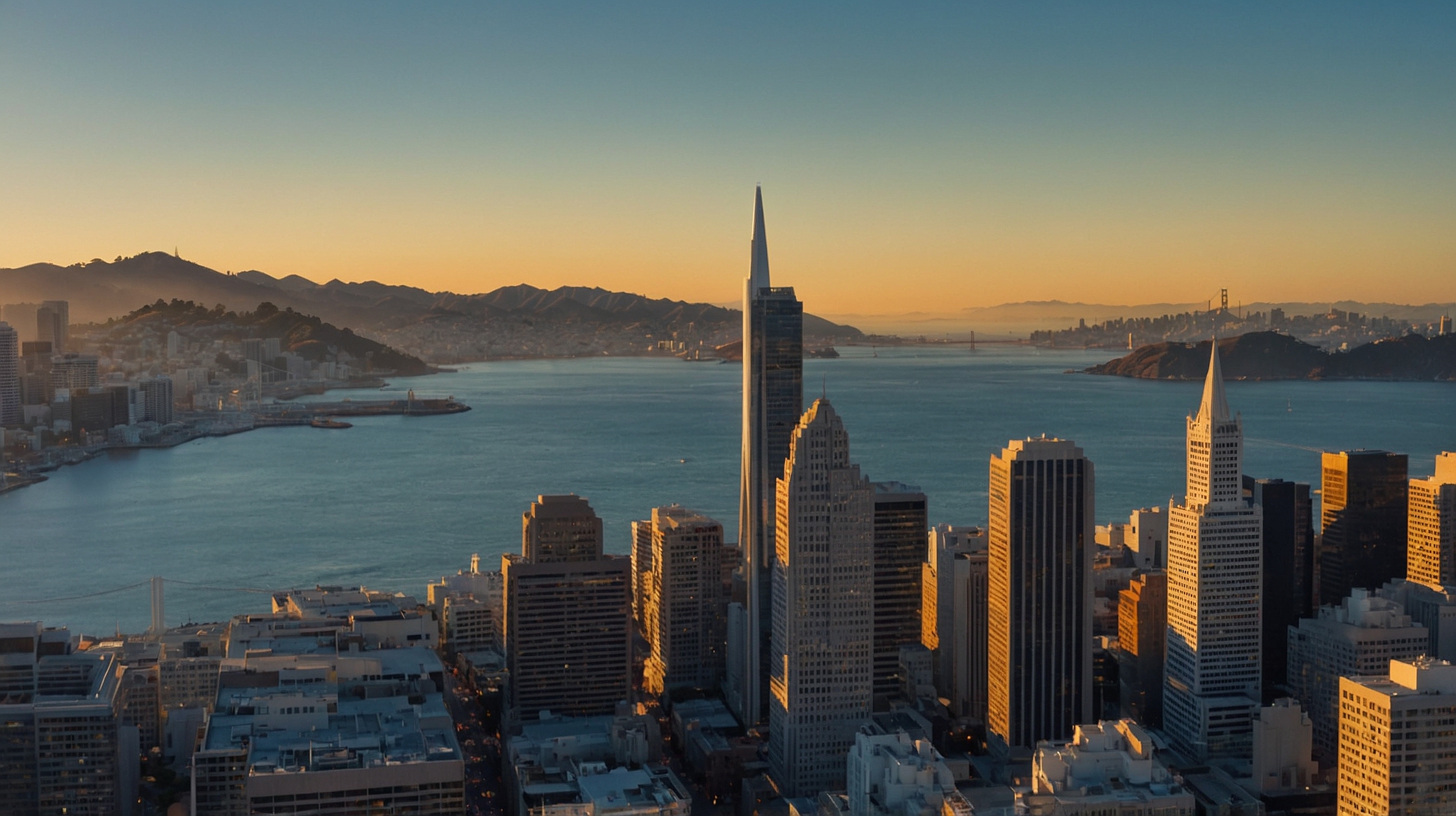
Anna Rowe, reporting for Xalura News.
San Francisco's AI Boom: A Tale of Innovation and Economic Disconnect
TL;DR
- San Francisco, a hub for AI innovation, is experiencing economic stagnation despite its leading role in the AI industry.
- The city's success in attracting AI talent and companies is not translating into broader economic growth or improved quality of life for residents.
- Concerns are rising about the potential for AI's energy demands to strain existing infrastructure, while other sectors explore AI integration for efficiency.
What happened
San Francisco has solidified its position as a global center for artificial intelligence development. The city attracts significant investment and a concentrated pool of AI talent, positioning it as the de facto "AI capital of the world." However, this technological leadership is not mirrored in its overall economic performance. Reports indicate that San Francisco is experiencing economic lag, suggesting a disconnect between the burgeoning AI sector and the broader health of the local economy. This disparity raises questions about whether the benefits of AI innovation are being equitably distributed or if they are contributing to wider urban challenges.
Simultaneously, the burgeoning energy demands of AI are becoming a significant point of discussion. Data centers powering AI require vast amounts of electricity, leading to a new metric for energy consumption referred to as "bragawatts." This highlights a potential future challenge for infrastructure and resource management as AI adoption accelerates.
In parallel, there are strategic moves within established industries to integrate AI. The U.S. Department of Transportation is exploring plans for air traffic controllers to leverage AI tools. This initiative aims to enhance efficiency and potentially improve safety within a critical national infrastructure.
Why this matters
The situation in San Francisco presents a complex paradox: a city at the forefront of a transformative technological revolution that is simultaneously struggling with conventional economic indicators. This could signal a broader trend where highly specialized, capital-intensive industries, like AI, can thrive in isolation from the general economic vitality of their host cities. The concentration of wealth and opportunity within the AI sector might exacerbate existing inequalities or fail to create spillover effects into other local businesses and employment sectors.
The massive energy requirements for AI development and deployment, highlighted by the "bragawatts" metric, underscore a critical sustainability challenge. As AI becomes more pervasive, the strain on energy grids and the environmental impact will become increasingly important considerations for urban planning, policy-making, and corporate responsibility. This growth necessitates careful planning to ensure that energy infrastructure can keep pace and that renewable energy sources are prioritized.
The planned integration of AI into air traffic control signifies the expanding reach of this technology beyond research labs and tech companies. Its application in vital public services suggests a future where AI plays a crucial role in operational efficiency and decision-making across various sectors, potentially leading to significant improvements in service delivery and safety.
Expert insight
Analysts suggest that San Francisco's economic lag, despite its AI prominence, may be due to a number of factors. These could include high operational costs, a lack of diversified industry growth beyond AI, and potentially outward migration of residents due to affordability issues. The city's success in attracting AI firms and talent is a testament to its innovative ecosystem, but this "AI capital" status needs to be translated into sustainable, inclusive economic development.
The energy consumption of AI is a growing concern that experts believe requires proactive solutions. This includes investment in more energy-efficient hardware, the development of advanced cooling technologies for data centers, and a significant scale-up of renewable energy sources to power these operations. Without such measures, the environmental footprint of AI could become unsustainable.
The cautious yet determined adoption of AI in areas like air traffic control is viewed as a necessary step for modernizing critical infrastructure. Experts anticipate that AI will increasingly be seen not as a replacement for human expertise, but as a powerful augmentation tool, enabling controllers to manage complex systems more effectively. The focus will likely be on ensuring robust testing, regulatory oversight, and seamless integration to maintain safety standards.
Practical takeaways
For residents and businesses in San Francisco, the ongoing economic trends suggest a need to monitor how the city plans to leverage its AI advantage for broader community benefit. This may involve advocating for policies that encourage local job creation across various sectors and address the rising cost of living.
For industries considering AI adoption, understanding the significant energy demands and planning for sustainable power solutions is crucial. Companies should investigate energy-efficient technologies and explore partnerships that can support their energy needs with renewable sources.
For individuals interested in the future of AI, keeping an eye on developments in sectors like transportation, aviation, and public services will offer insights into how AI is being implemented in practical, high-impact applications. Staying informed about regulatory frameworks and safety standards surrounding these implementations will also be important.
FAQ
Q: Is San Francisco's economy declining despite its AI leadership? A: Reports suggest that San Francisco is experiencing economic lag, meaning its overall economic growth is not keeping pace with its prominence in the AI sector.
Q: How much energy does AI consume? A: AI systems, particularly the data centers that power them, consume significant amounts of energy, a trend being referred to with the term "bragawatts."
Q: Will AI replace human air traffic controllers? A: The current plans involve air traffic controllers leaning on AI tools, suggesting AI will augment, rather than replace, human expertise in this field.
Anna Rowe News Writer, Xalura News